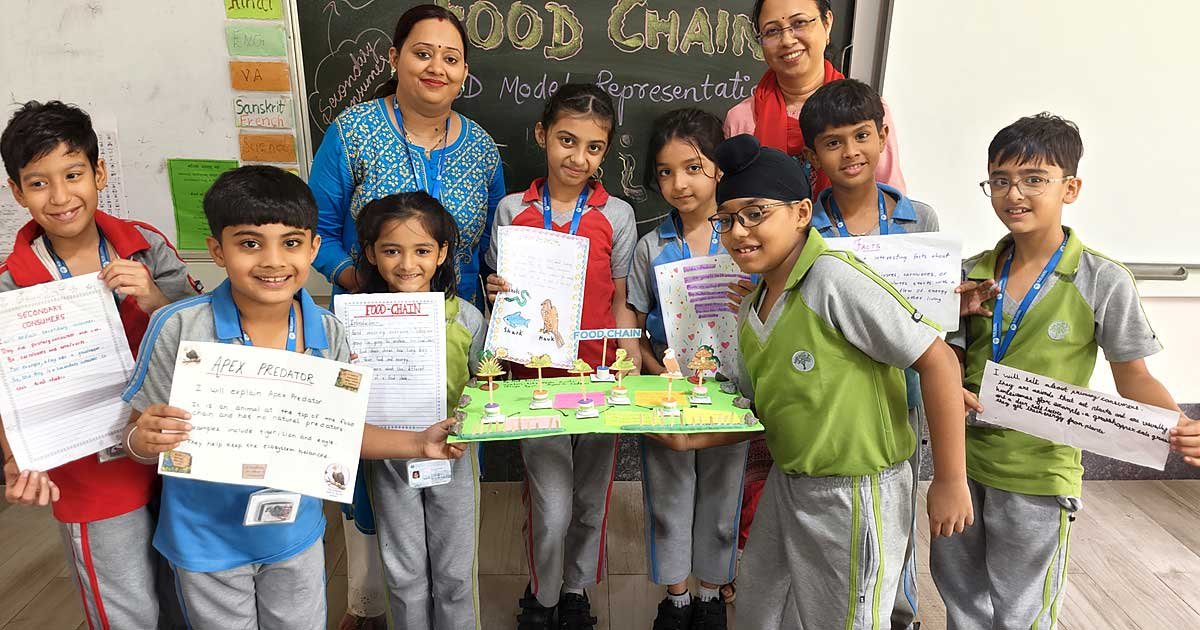
Raipur: Cambridge students of N.H. Goel World School enthusiastically designed, created and presented innovative 2D and 3D Food Chain models as part of a collaborative group activity.
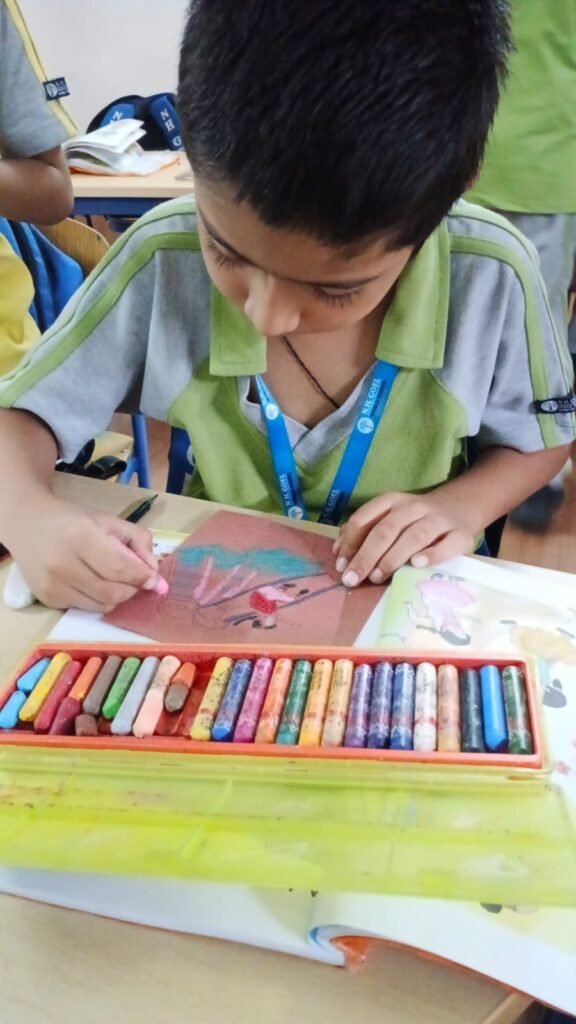
The entire project—from planning and designing to execution and presentation—was independently managed by the students. This gave them complete ownership of their learning and encouraged them to make decisions, solve problems and work responsibly as a team.
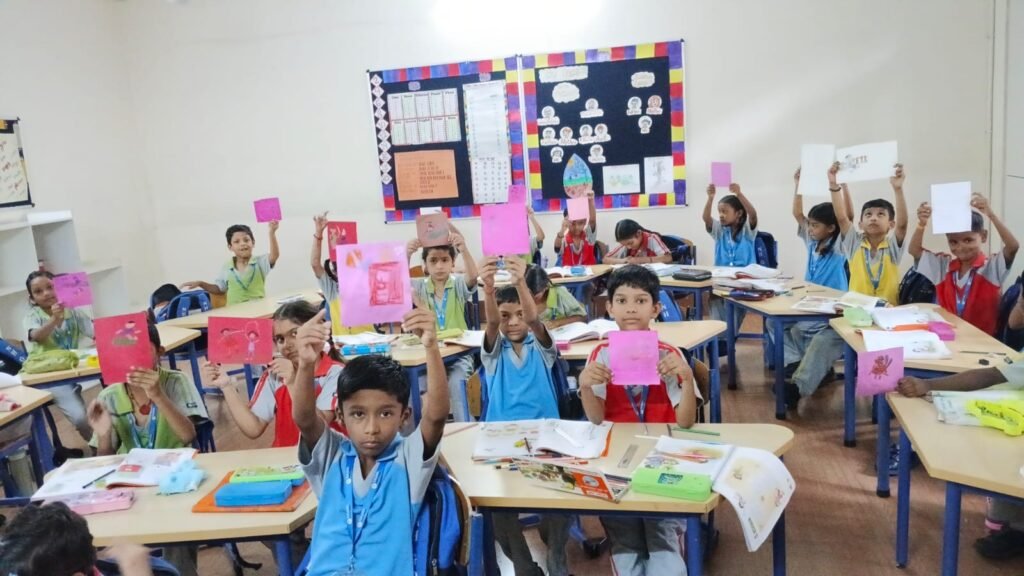
Through their creative models, students developed a clearer understanding of important scientific concepts, including:
- Food chains
- Flow of energy between living organisms
- Roles of producers and consumers
- Balance within an ecosystem
- Interdependence among plants and animals
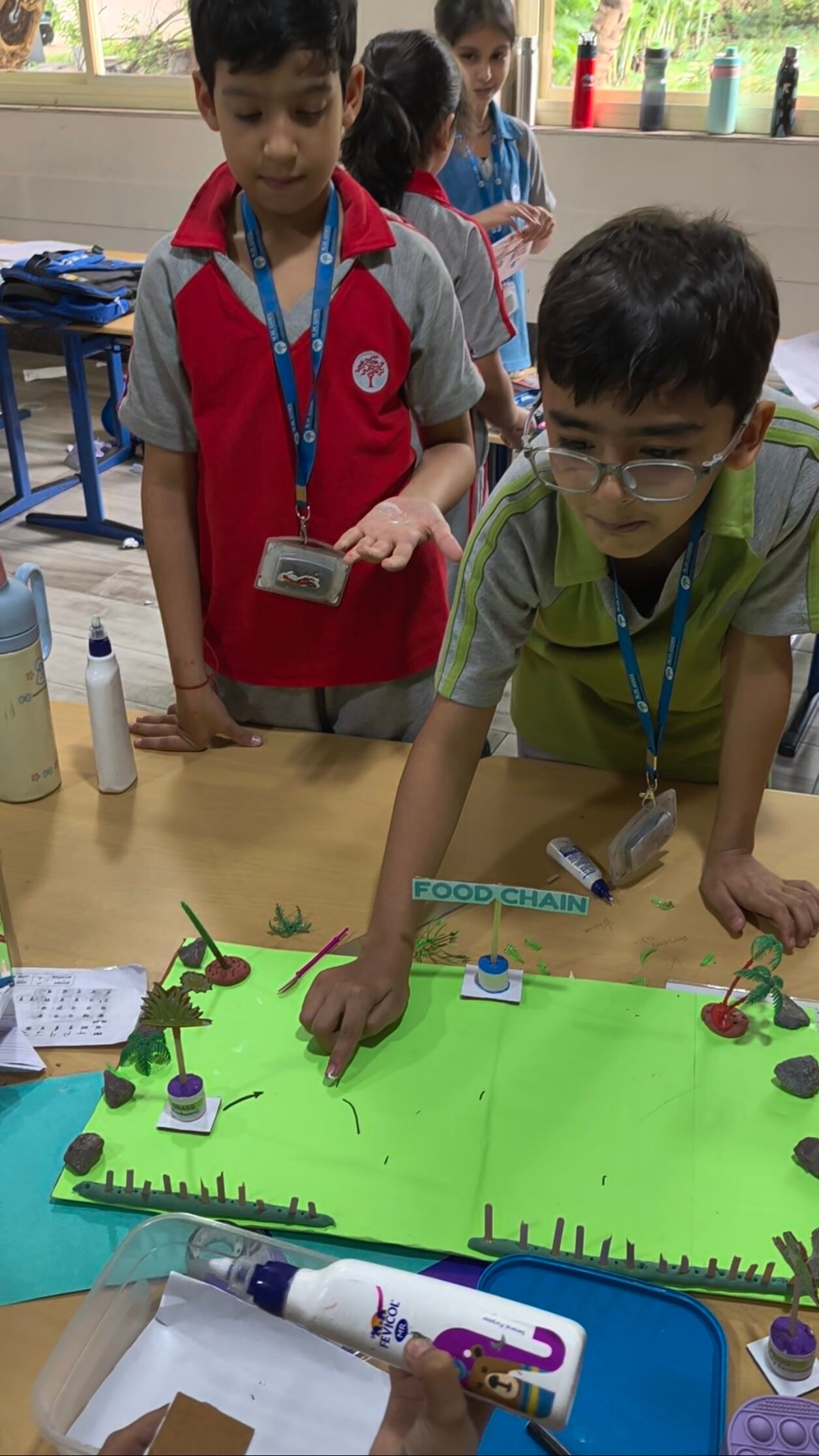
The activity went beyond learning scientific facts. Students divided responsibilities, coordinated with one another and confidently explained their models to the audience.
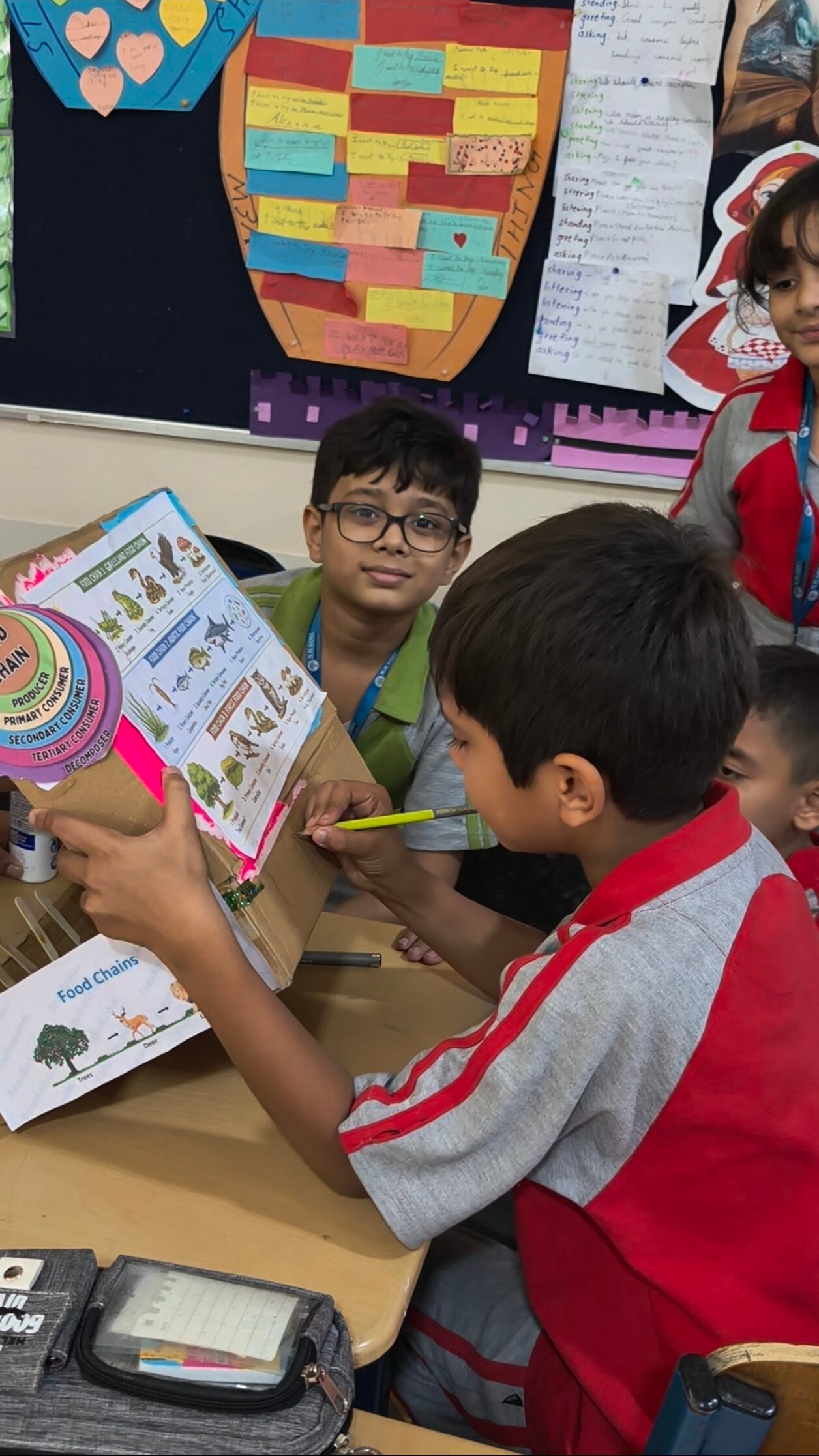
The experience helped them strengthen important life skills such as teamwork, leadership, public speaking, responsibility, creativity and effective division of work.
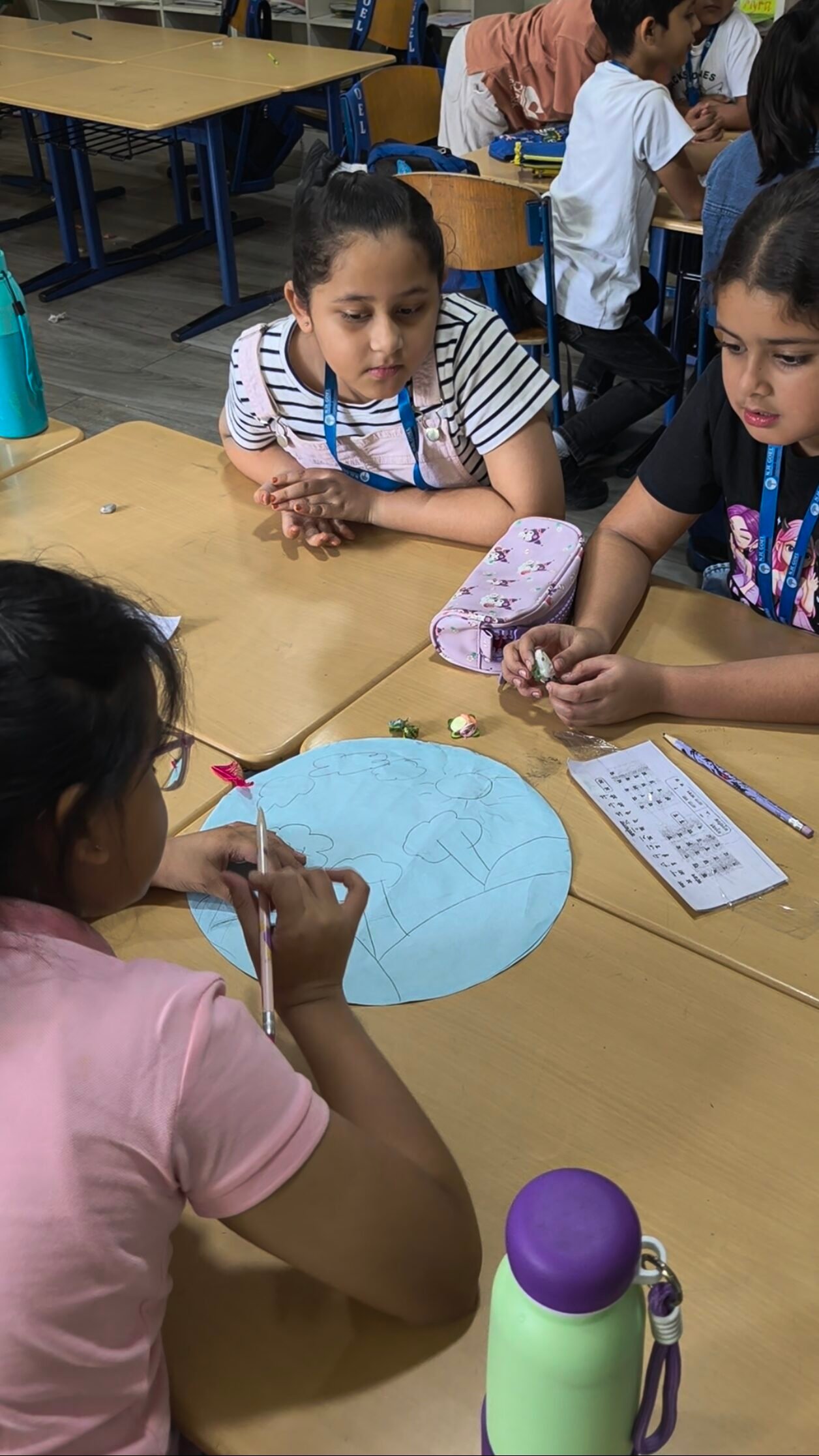
The students’ confidence and collaborative spirit made the activity engaging and meaningful. It reflected the Cambridge approach of encouraging learners to explore, create and communicate their understanding.
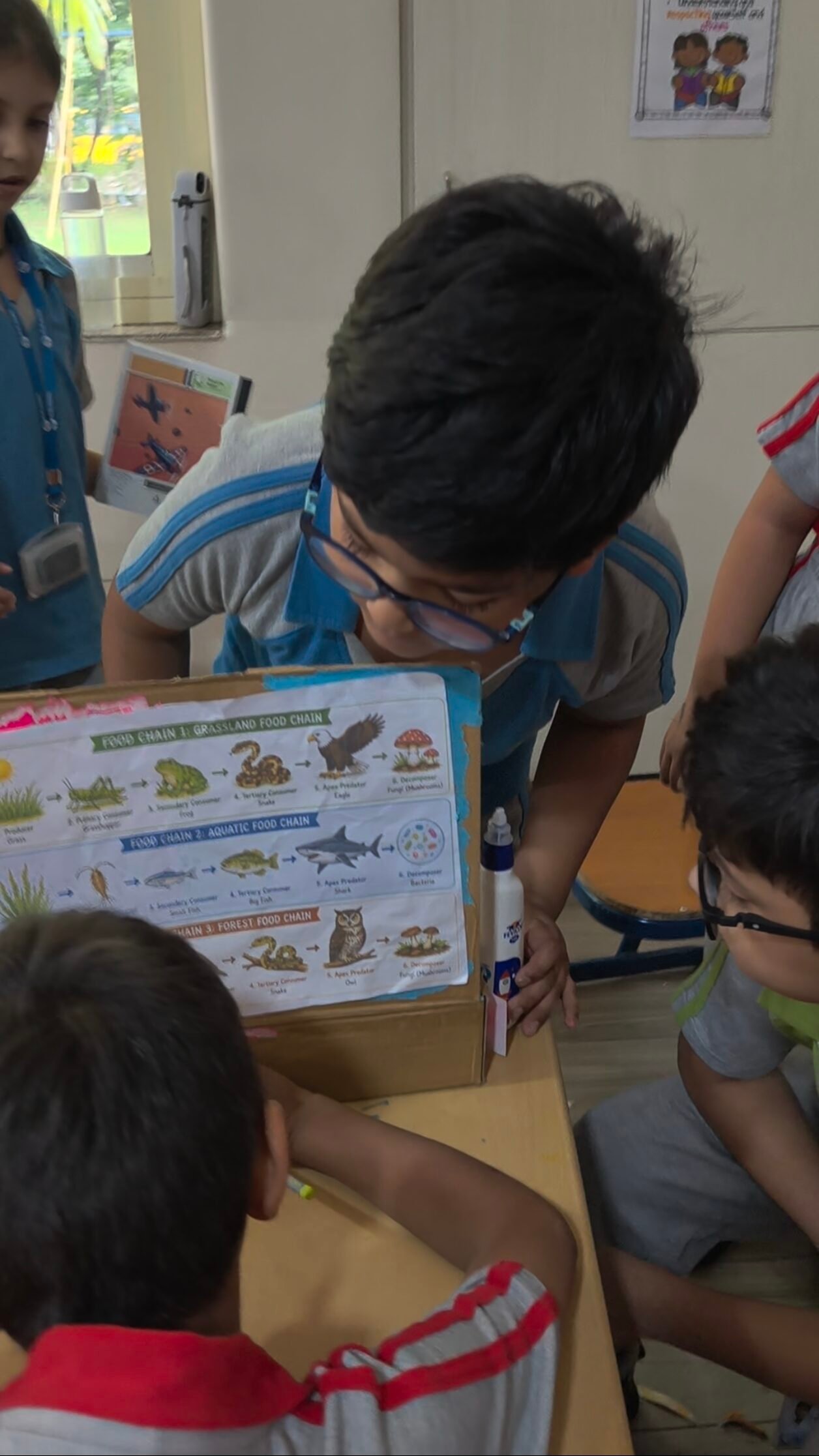
When students take ownership of learning, scientific concepts become creative discoveries and teamwork becomes a lifelong skill.
