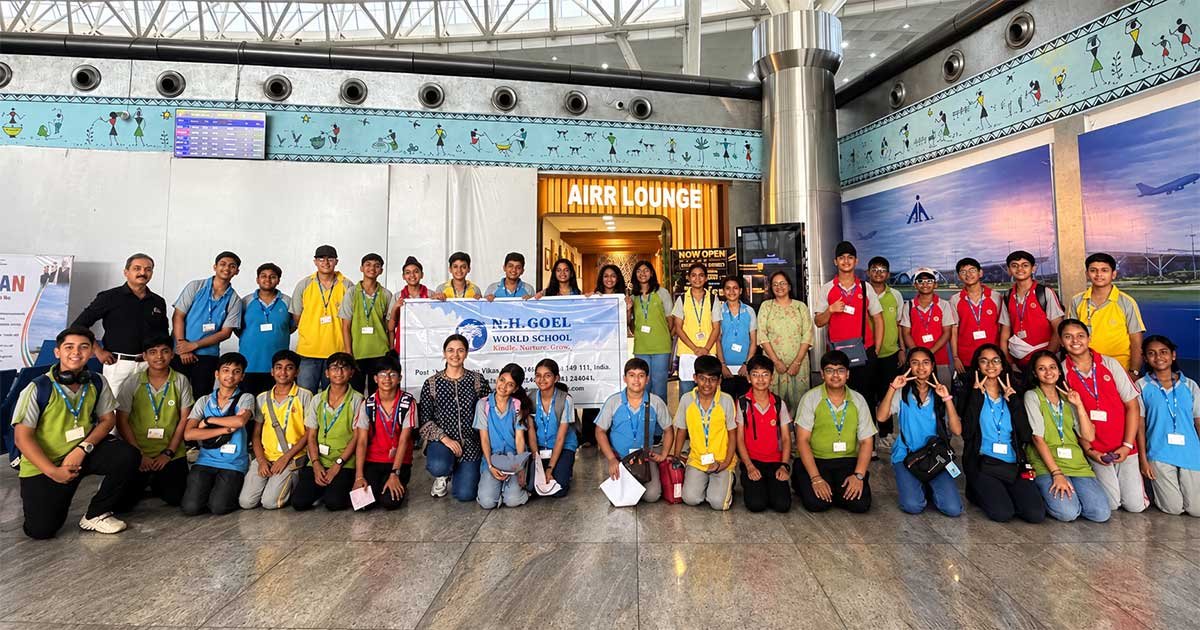
N.H. Goel World School Students Explore Rajasthan Through Monuments and Traditional Block Printing
Raipur, 21 October 2026: Students of Grades 6–8 (CBSE) from N.H. Goel World School participated in an educational trip to Jaipur from 16 to 19 October 2026. Centred on “Education Through Monuments: Heritage, History and Handicraft—Understanding Rajasthan’s Culture,” the tour connected classroom learning with direct observation and practical experiences.
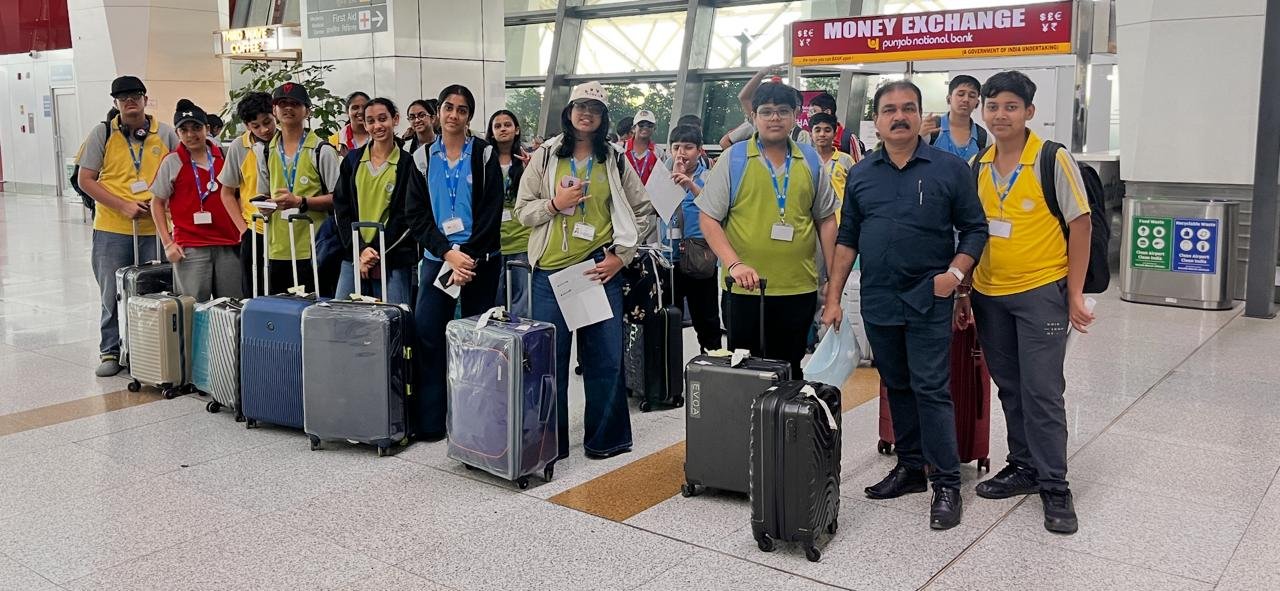
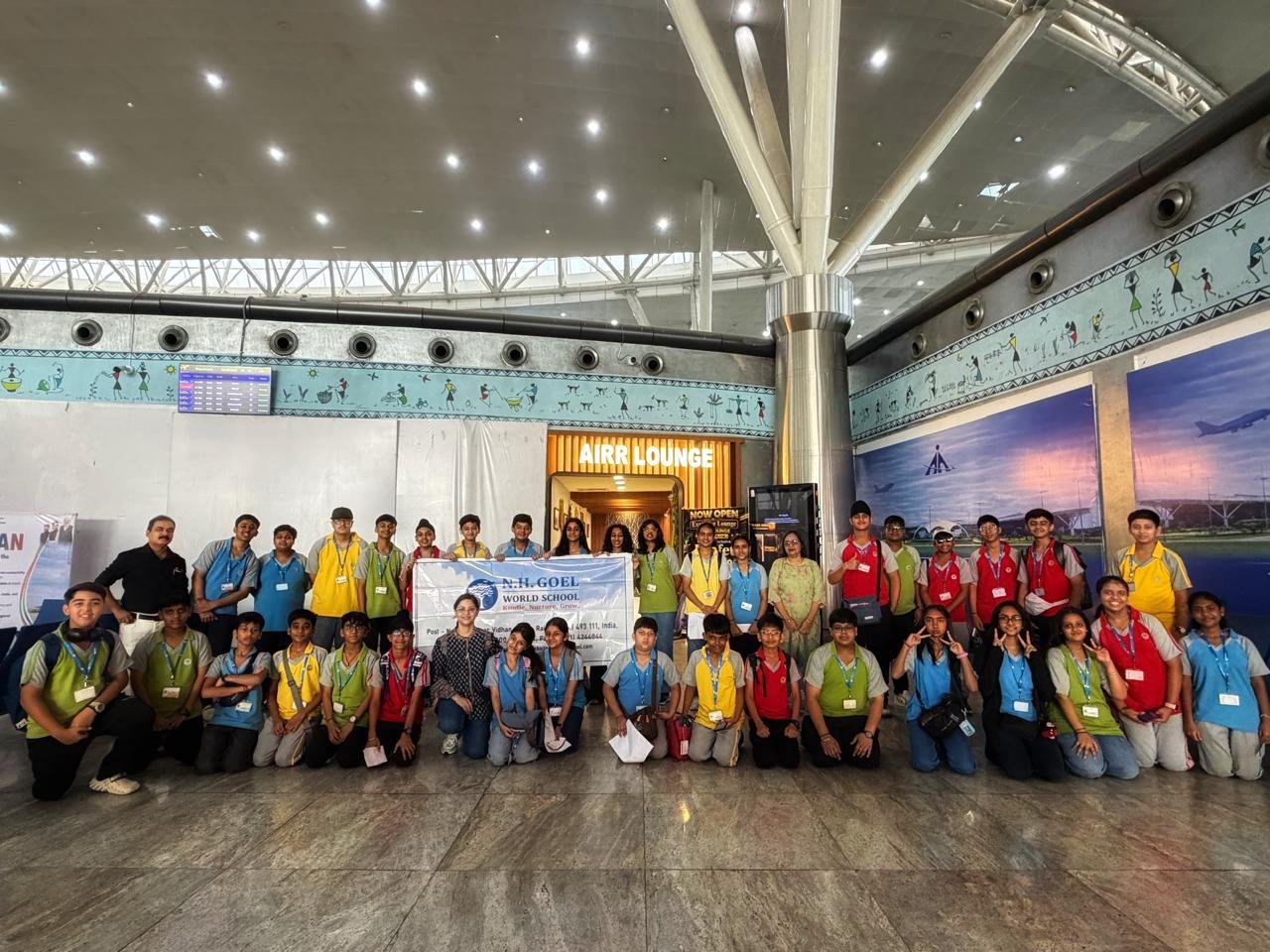
Students and teachers travelled from Raipur to Delhi by air and continued to Jaipur by bus. The journey itself became a learning opportunity through peer interaction, geographical observation, travelogue writing and introductory discussions about the destinations.
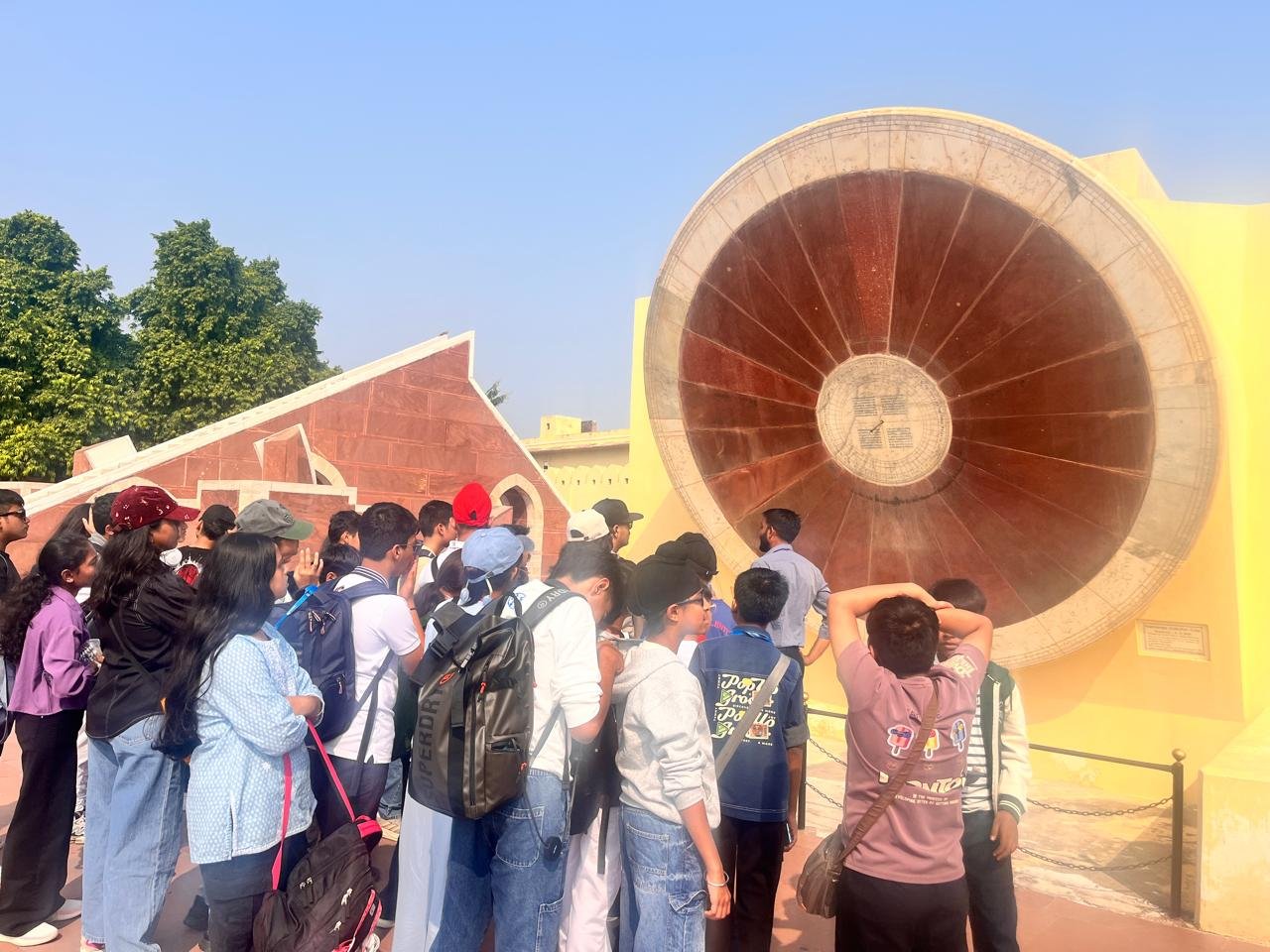
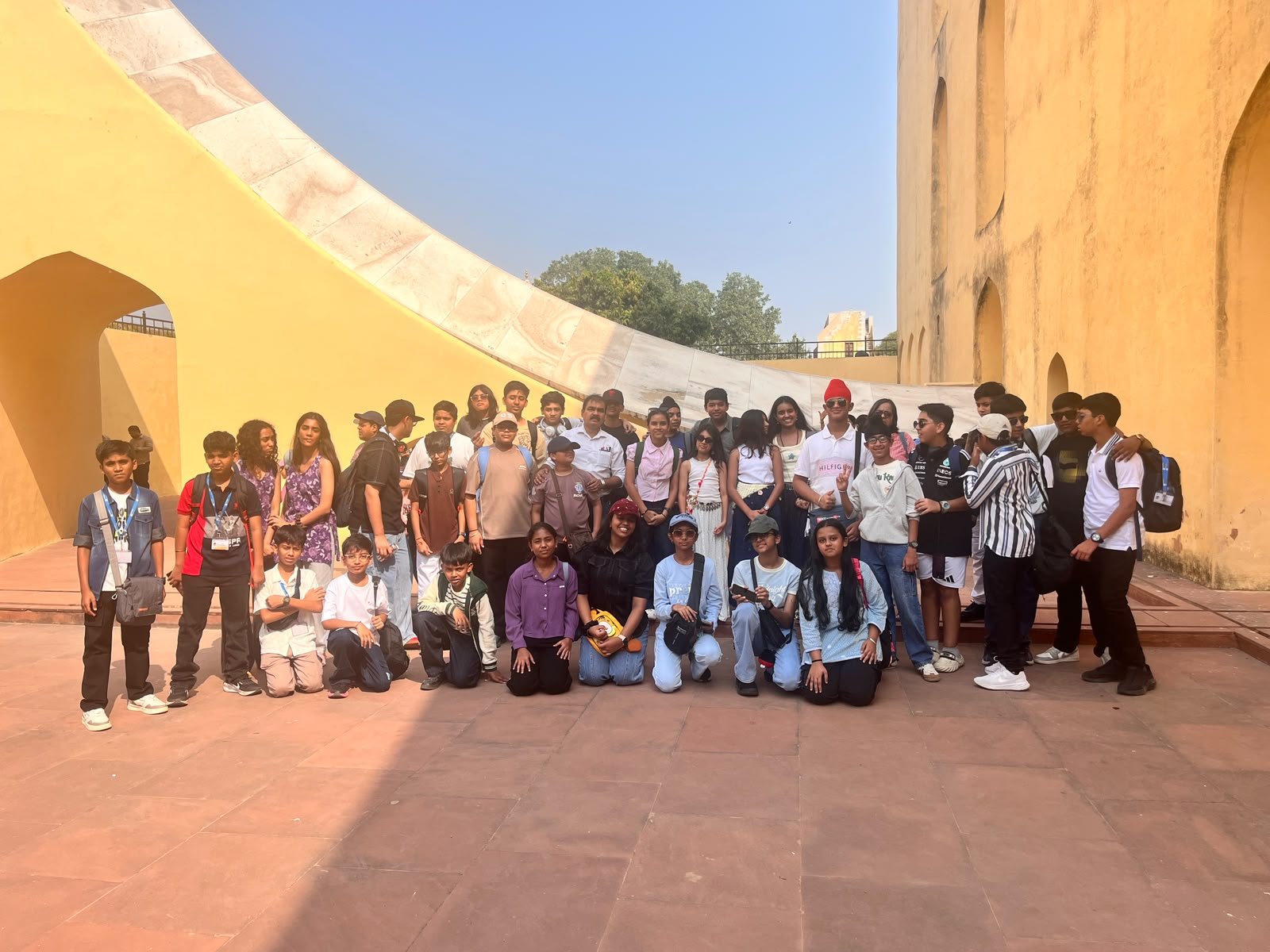
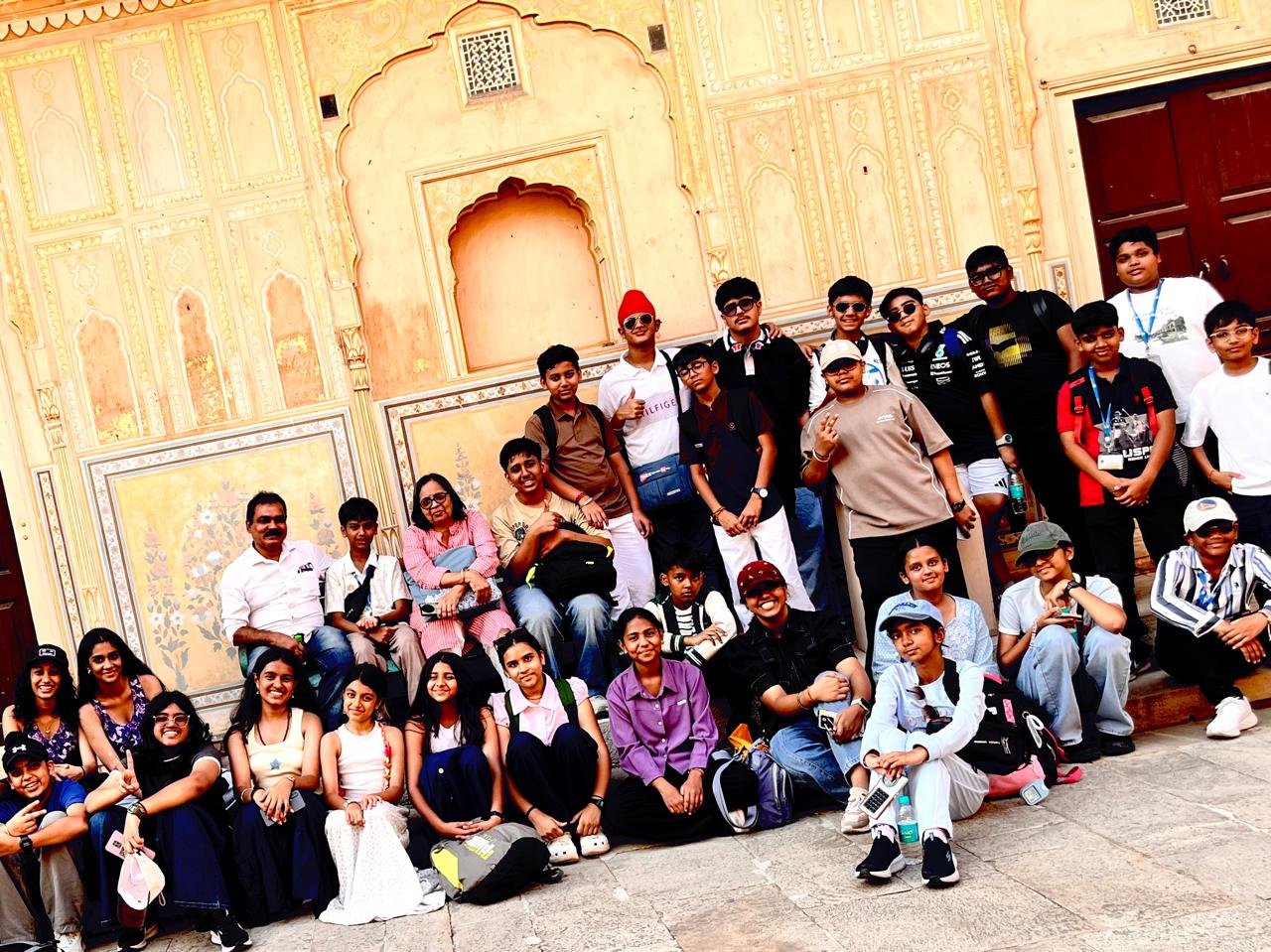
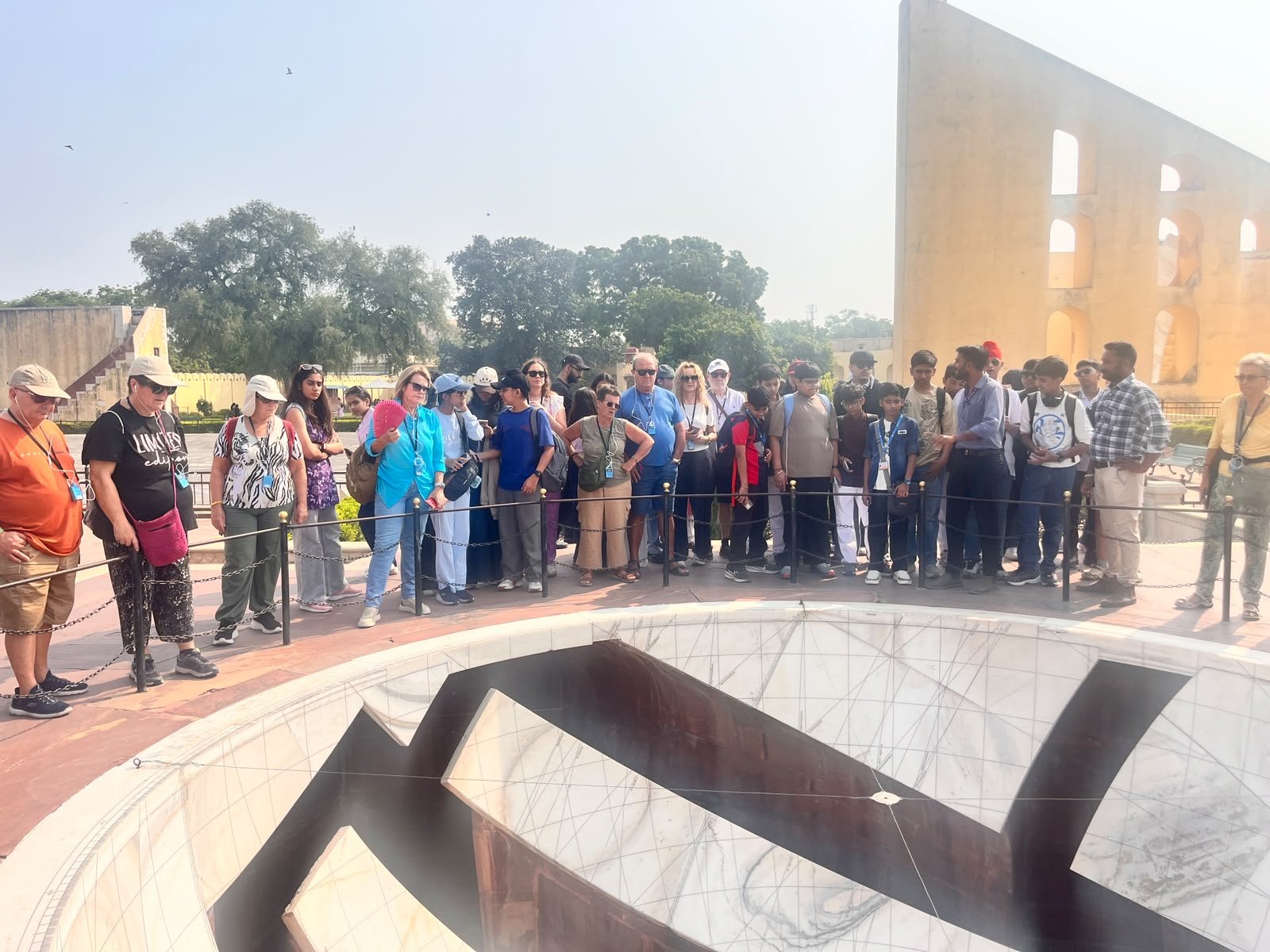
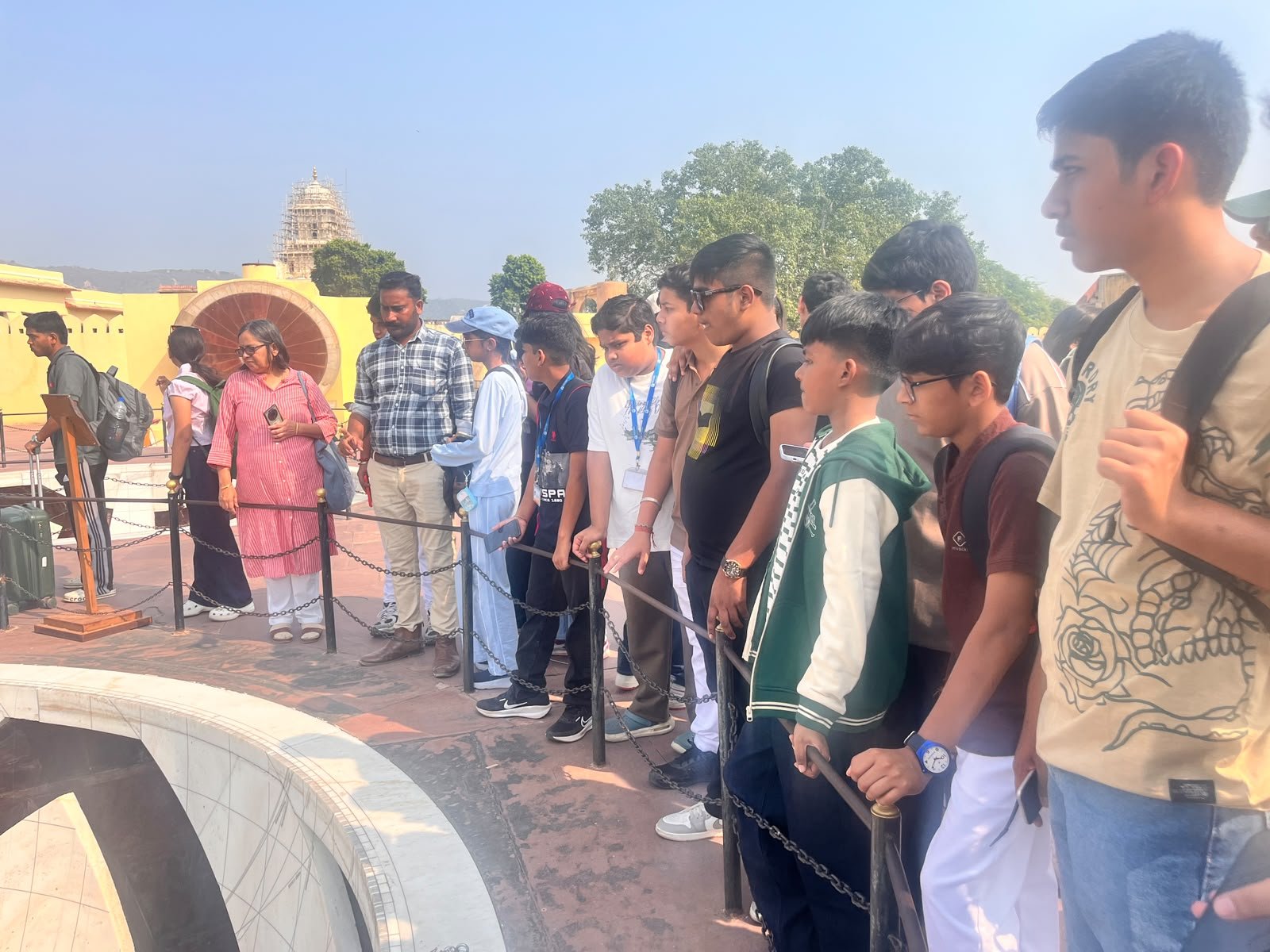
At Amer Fort, students explored the blend of Rajput and Mughal architectural styles. Their visit to Jantar Mantar introduced them to astronomical instruments, including the Samrat Yantra. Guided explanations and shadow-timing observations helped students connect mathematics and science with historical methods of measuring time.
At Hawa Mahal, learners explored how its distinctive windows served both social customs and ventilation needs. Nahargarh Fort offered a wider view of Jaipur and opportunities to study traditional rainwater harvesting, water channels and architectural approaches to natural cooling.
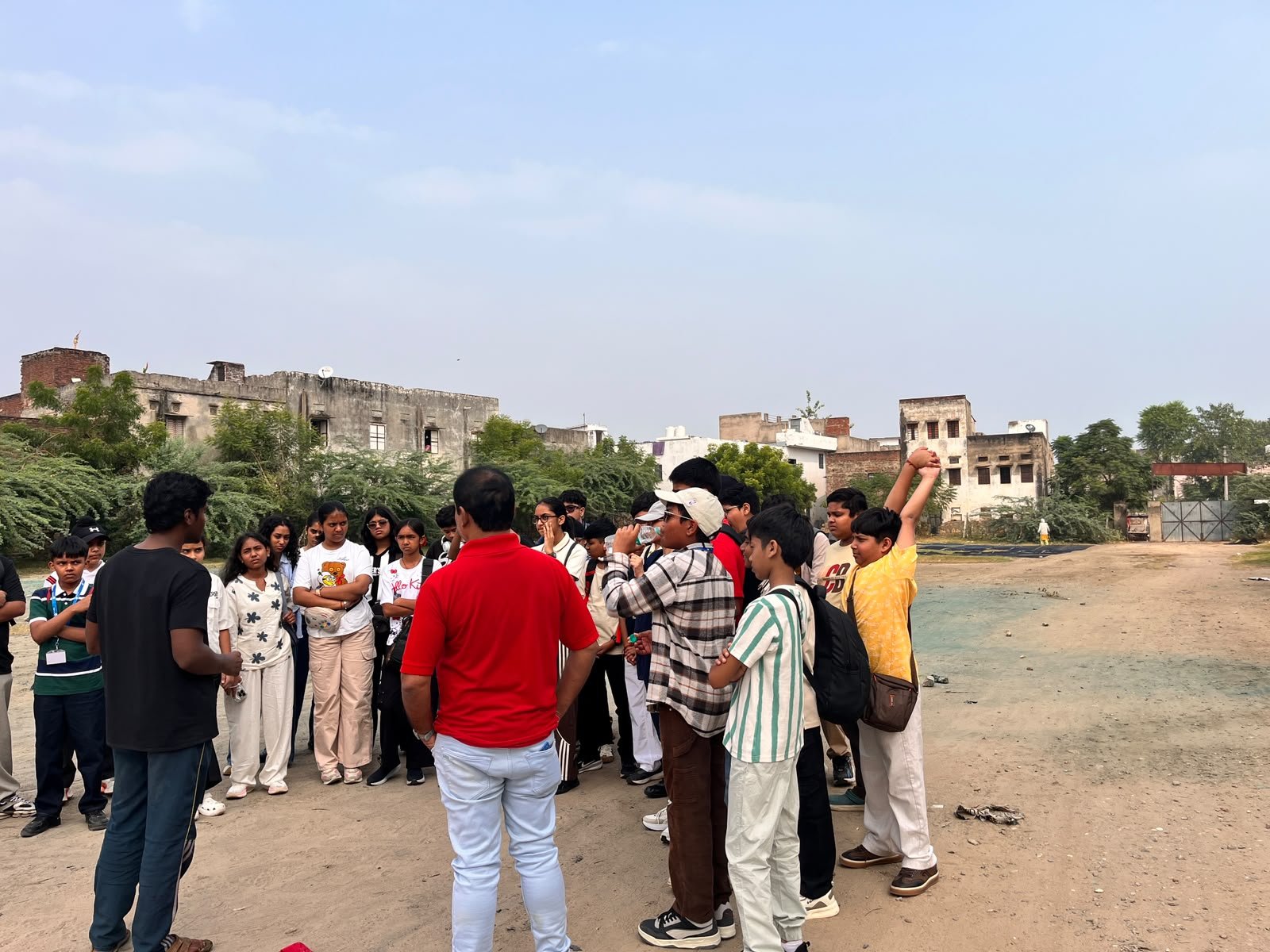
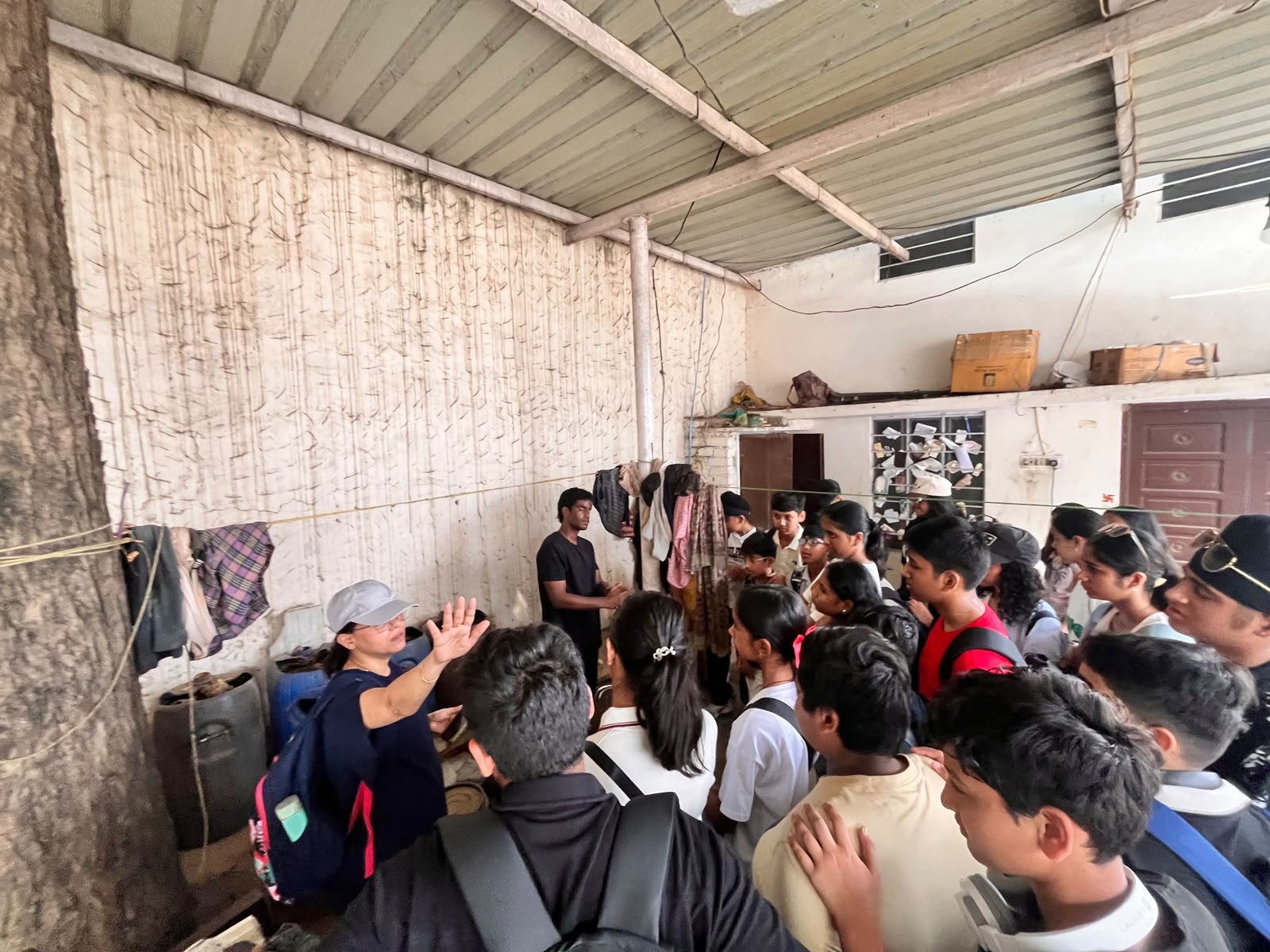
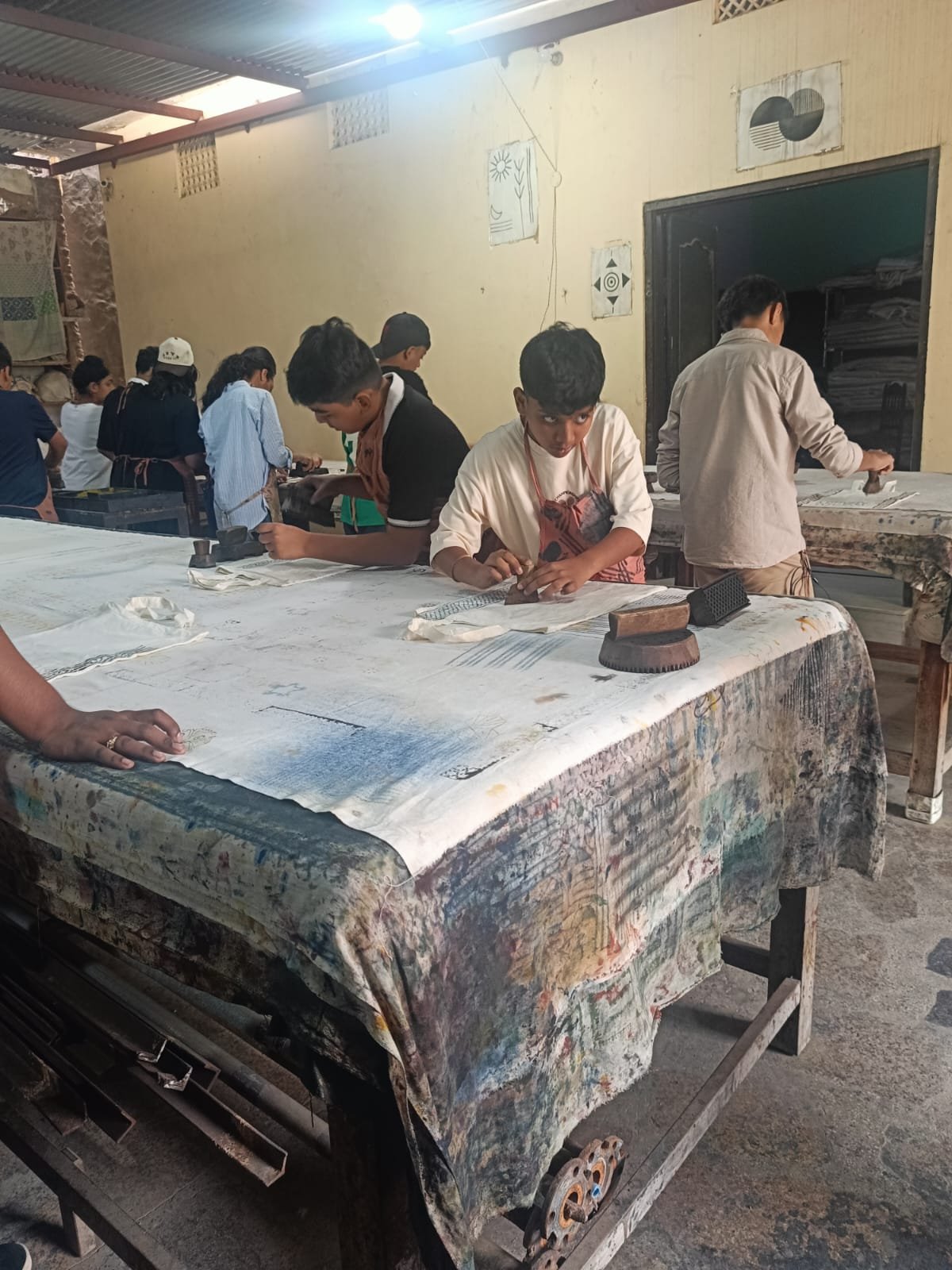
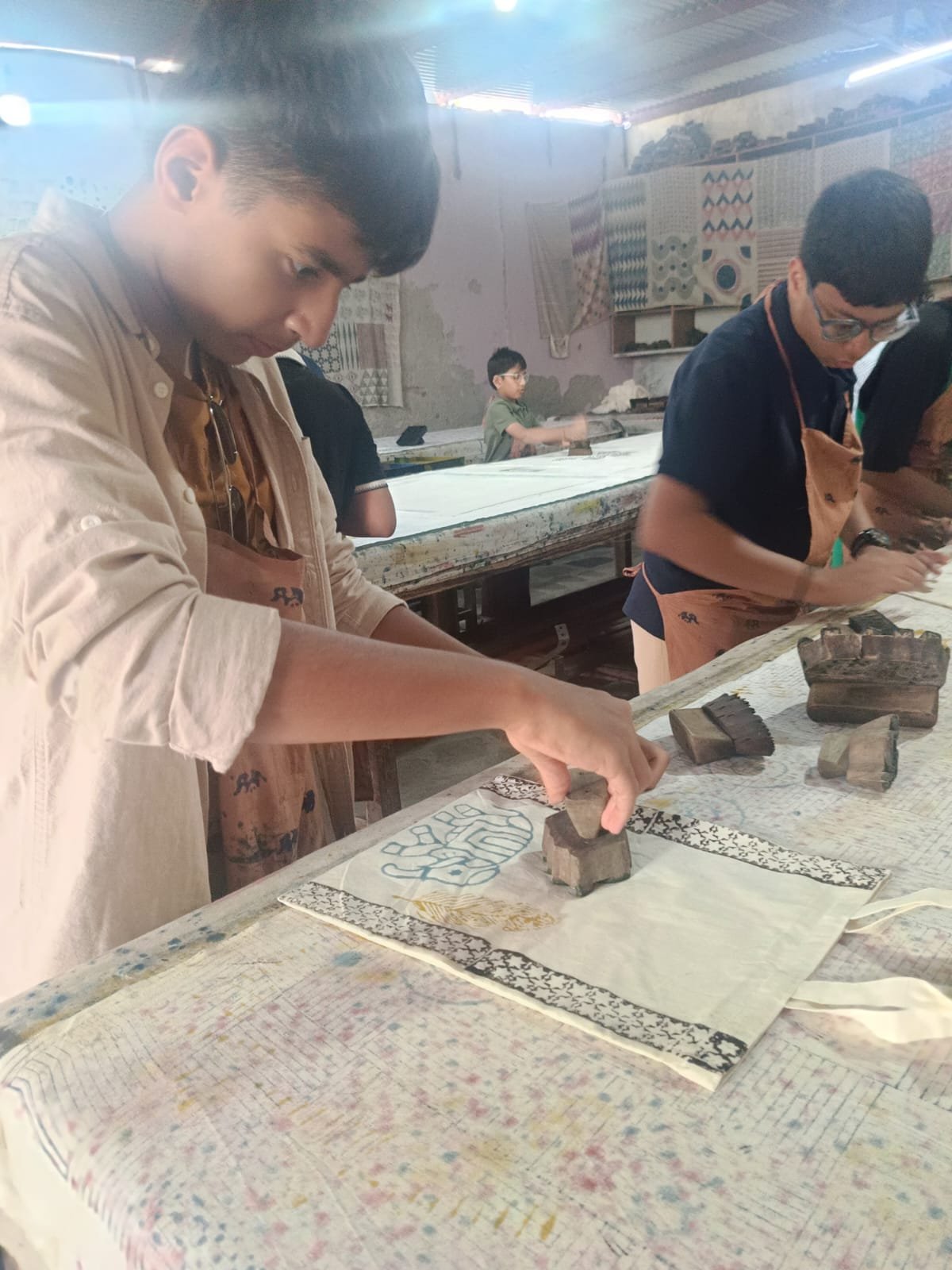
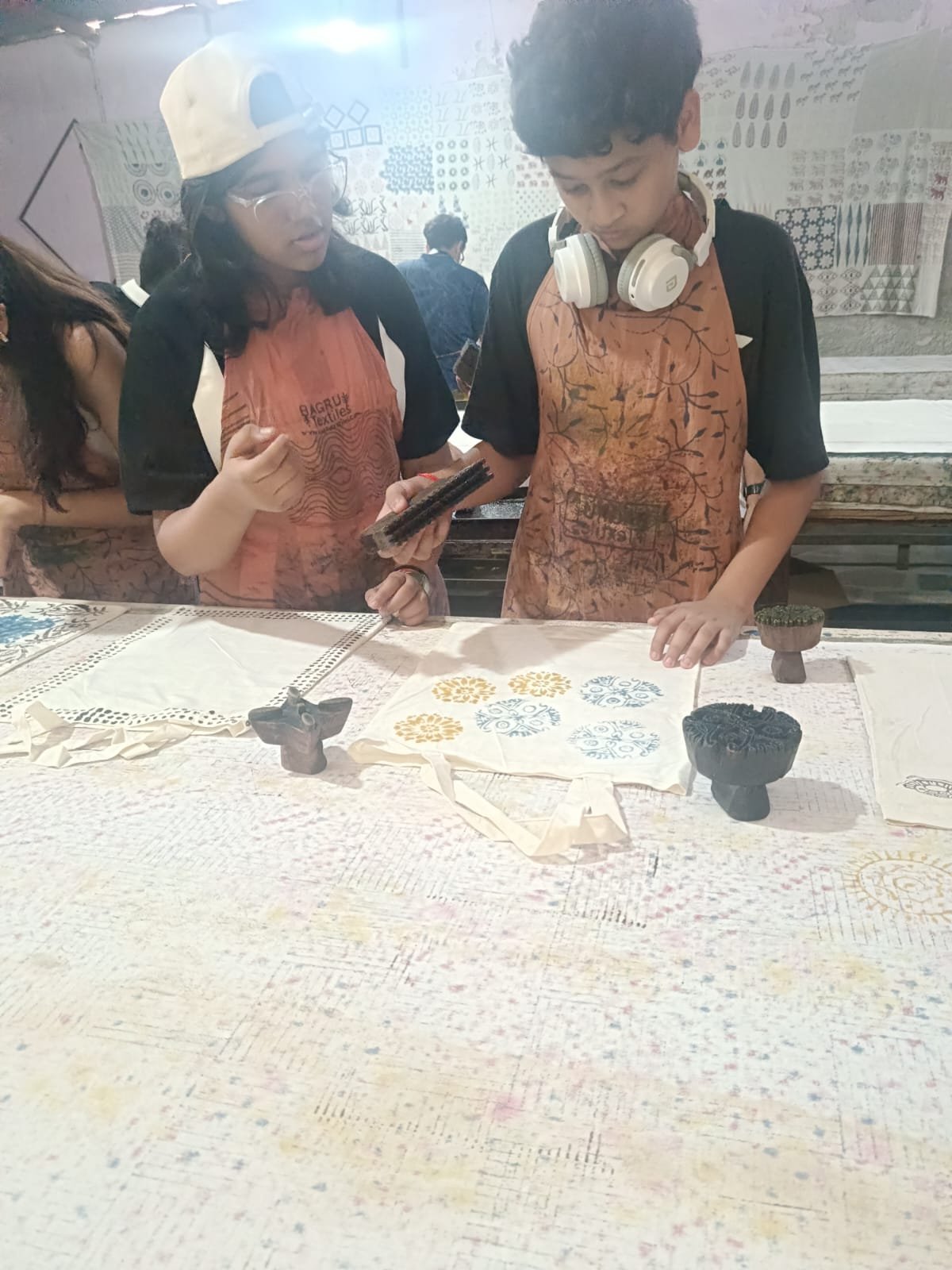
A highlight was the visit to a Chhipa community block-printing unit in Bagru, where students observed artisans working with carved wooden blocks, natural dyes and Dabu mud-resist printing. They learned about the stages of printing, washing and sun-drying, while interacting with artisans about their livelihoods and challenges.
Students also tried hand-block printing on handkerchiefs and bags, creating personal souvenirs and gaining an appreciation of the skill and patience involved in traditional crafts.






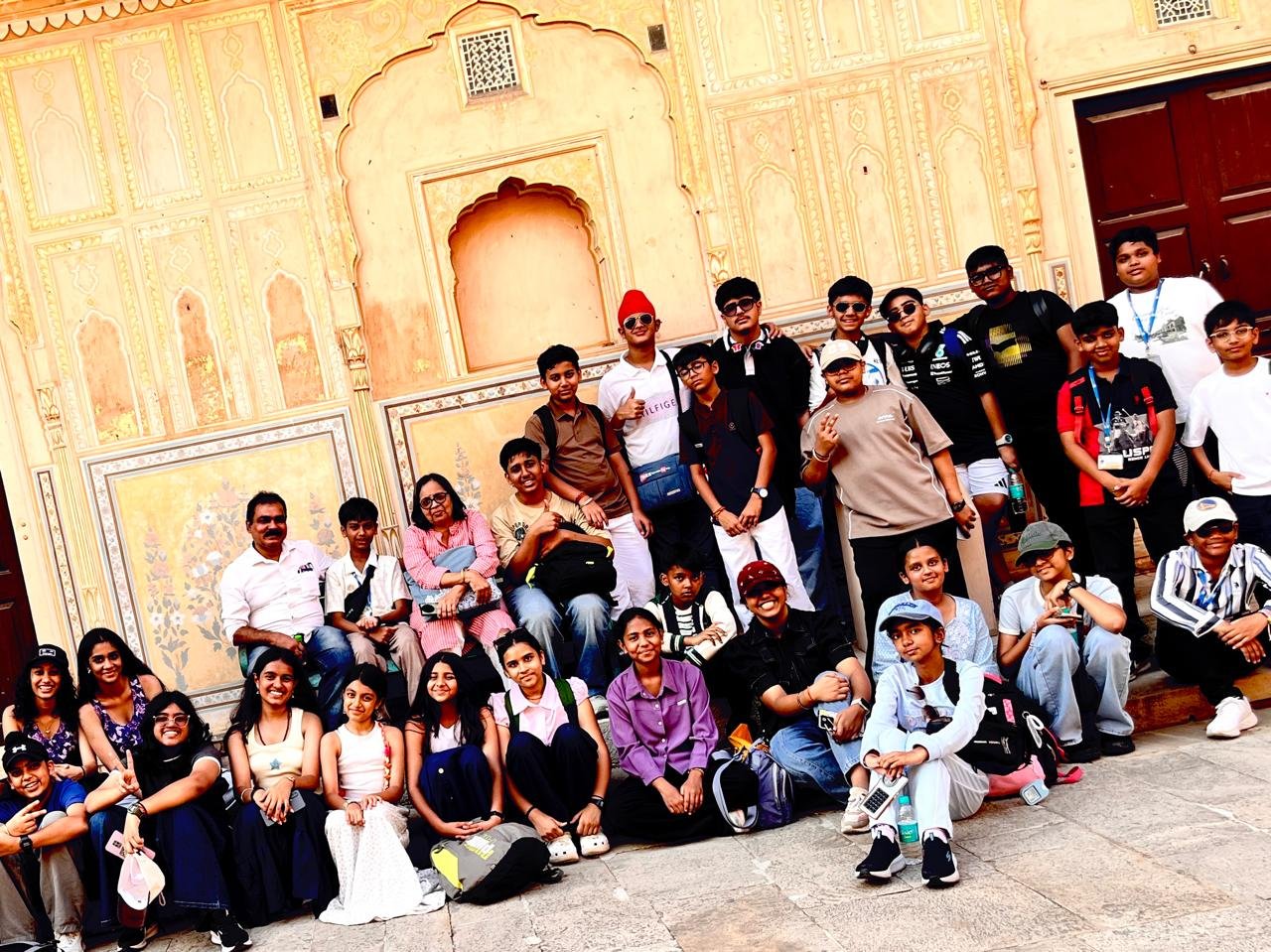

Led by Trip In-charge Ms. Bh. Parmeshwari, the tour brought together history, geography, science, art and cultural understanding. From Jaipur’s monuments to Bagru’s working craft traditions, students experienced Rajasthan as a living classroom and returned with knowledge, memories and their own hand-printed creations.
